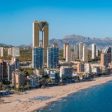

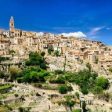
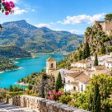
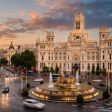


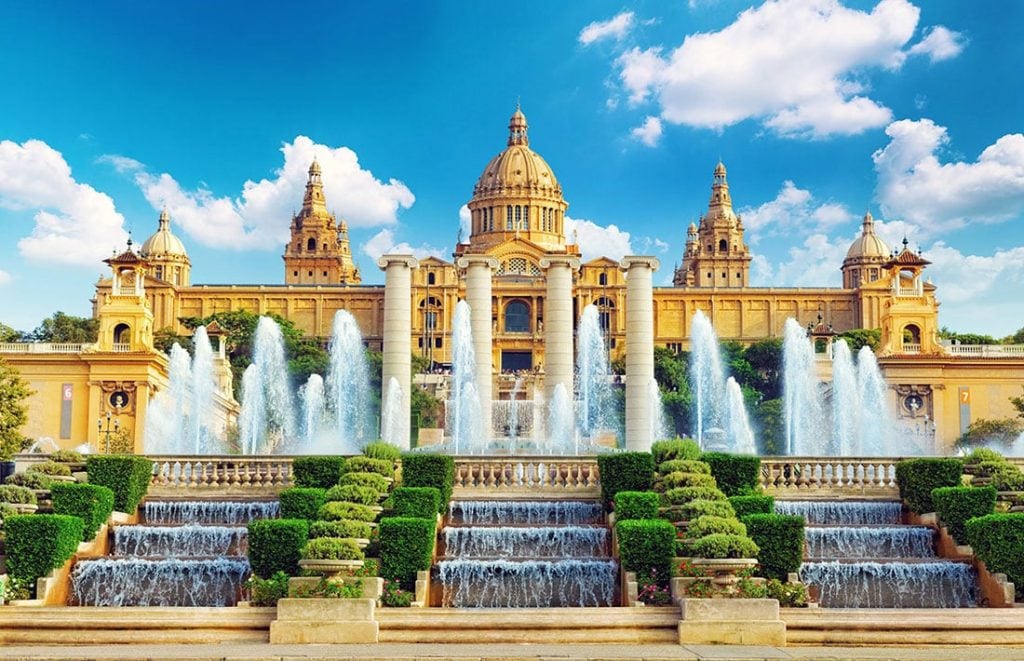
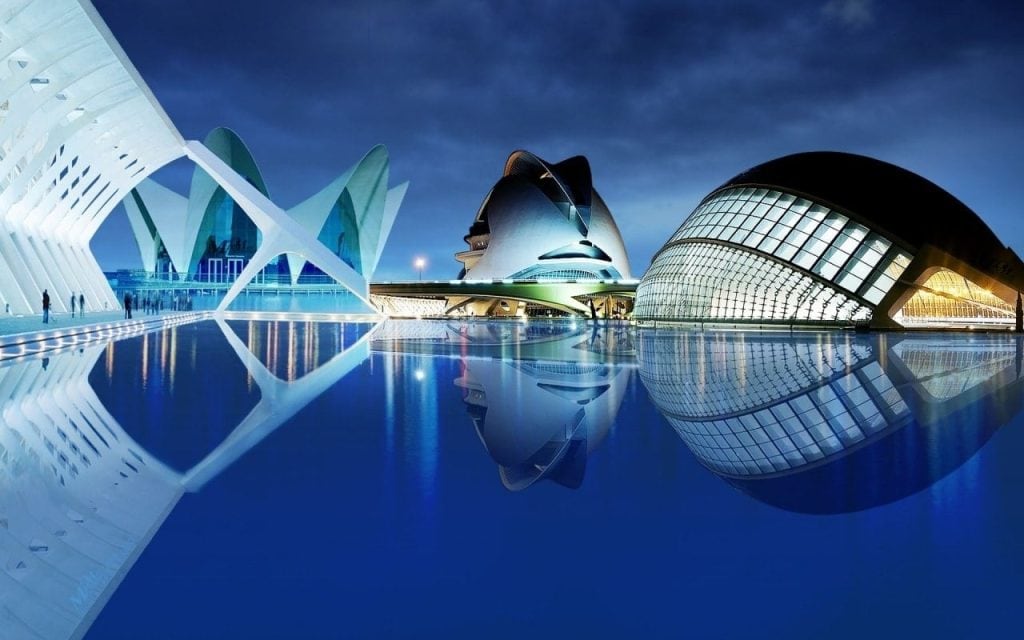
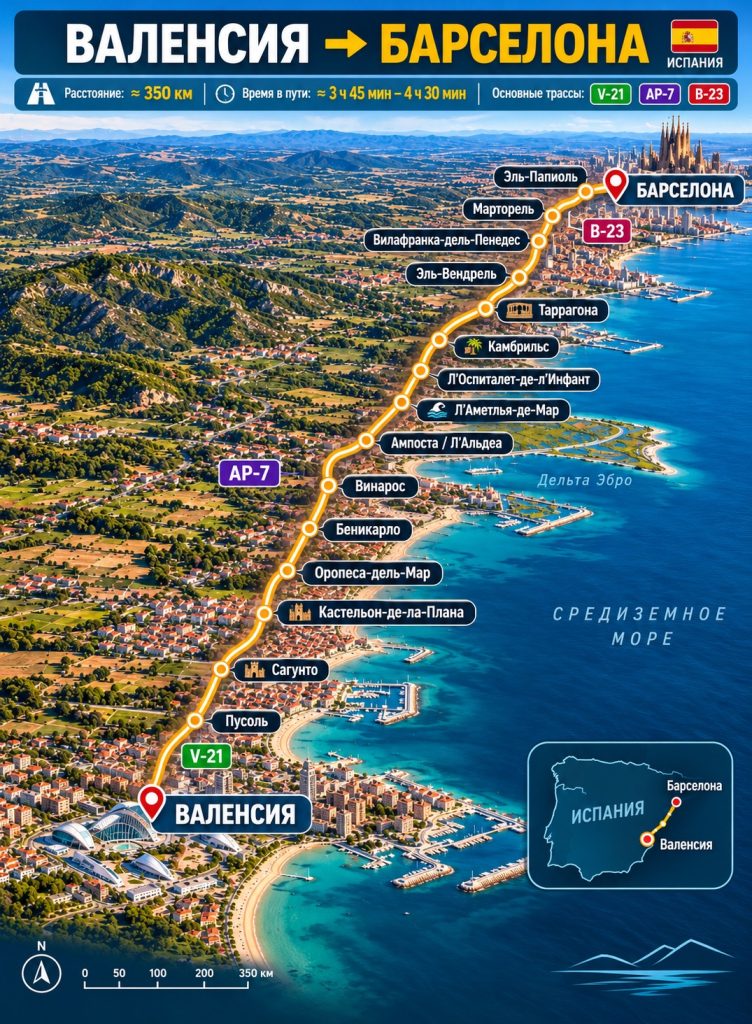
It is about 350 kilometres from Valencia to Barcelona, and almost the whole way follows the AP-7 motorway along the Mediterranean. Without stops the drive takes about four hours, but it is better to spread it over a whole day: along the way you will find Roman Tarraco, the rice fields of the Ebro Delta and the wine country of the Penedès. Before you set off, have breakfast in Valencia, the home of paella.
The route at a glance
- Distance: about 350 km.
- Driving time: from 3 hours 45 minutes to 4 hours 30 minutes, depending on traffic and without stops.
- Roads: the V-21 when leaving Valencia, then the AP-7 almost all the way to Barcelona. On the approach to the city you join the B-23 via Martorell and El Papiol.
Are there tolls
According to local press, there are no toll booths on this route at the moment: the stretch as far as Tarragona is free, and in Catalonia the barriers on the AP-7 were lifted on 1 September 2021. However, Catalonia is discussing a vignette, that is, a charge for using motorways. Check before you travel that the rules have not changed.
Stops along the way
The towns are listed from south to north, in the order you will pass them.
- Sagunto. About 30 minutes from Valencia on the V-21. A Roman theatre from the 1st century and a castle on a hill with views over the Valencian huerta. According to tourist portals, entry to the theatre, the castle and the museum is free but by timetable, so check the opening hours before you go.
- Castellón de la Plana and Oropesa del Mar. Resort towns on the Costa del Azahar, a good place for a beach break.
- Benicarló and Vinaròs. This is where Benicarló artichokes, with a Protected Designation of Origin (PDO), are grown: the season runs from October to June, and they are worth trying in the restaurants. The famous fortress of Peñíscola is nearby.
- The Ebro Delta (Amposta and L'Aldea). A natural park inside the Terres de l'Ebre UNESCO biosphere reserve: endless rice fields and flamingos. According to travel guides, up to 3,000 birds gather in the l'Encanyissada lagoon, most of all in late summer. In Amposta there is the MónNatura Delta de l'Ebre centre, which runs guided activities.
- L'Ametlla de Mar, L'Hospitalet de l'Infant and Cambrils. Fishing towns on the Costa Daurada. Cambrils has a fishing port and seafood restaurants.
- Tarragona. The main stop on the route. The Archaeological Ensemble of Roman Tarraco has been on the UNESCO World Heritage List since 2000: a 2nd-century amphitheatre, a Roman circus, a forum and a theatre.
- El Vendrell and Vilafranca del Penedès. Vilafranca calls itself the capital of wine and cava. It is home to Vinseum, a museum of Catalan wine cultures housed in the former royal palace on Plaça Jaume I.
- Martorell and El Papiol. The last towns before Barcelona. From Martorell you can turn off towards Montserrat mountain.
How to plan the day
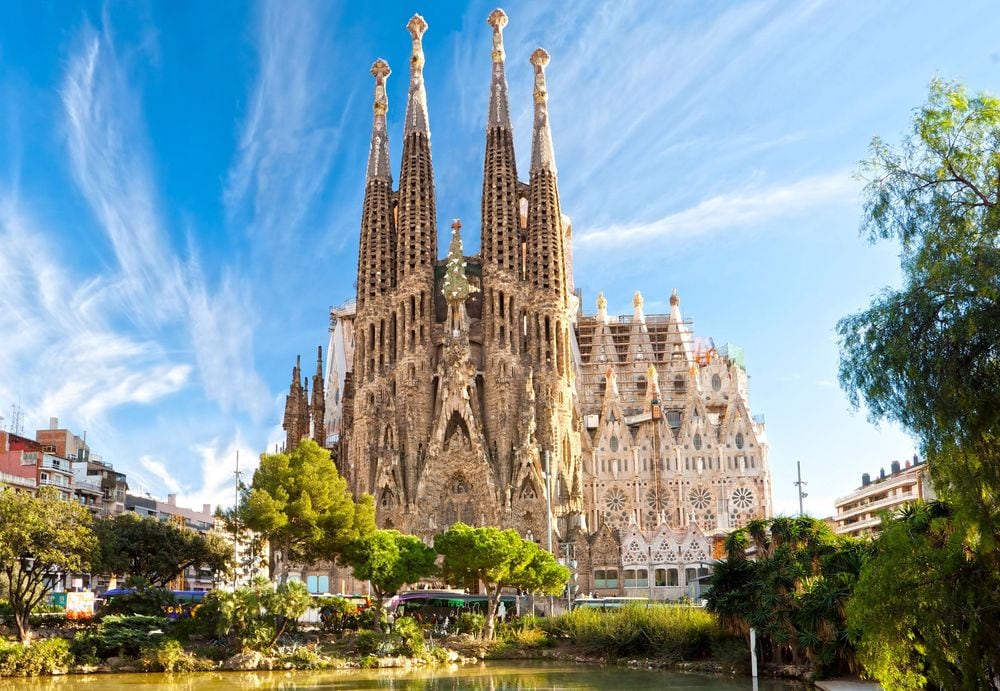
Set off early and pick two or three stops rather than all of them: for example Sagunto, the Ebro Delta or Cambrils, and Tarragona. That way you reach Barcelona in the evening, without rushing along the motorway.
If you do not want to drive
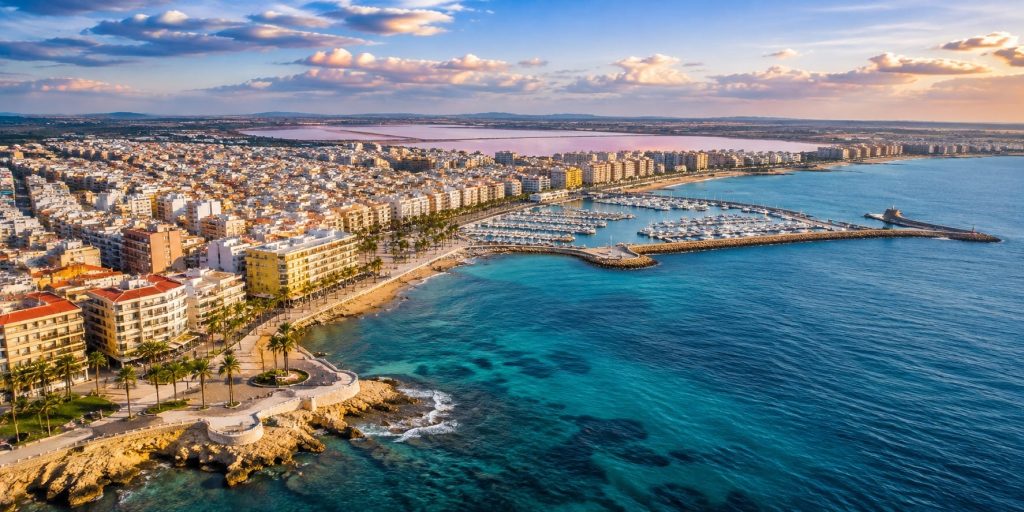
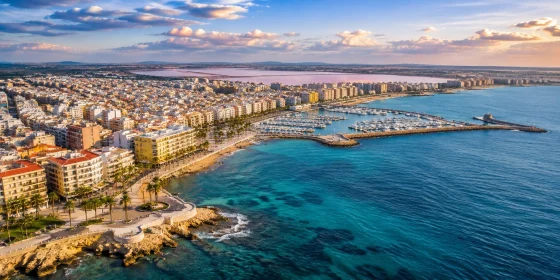
We run groups from Torrevieja to Valencia and to Barcelona with Montserrat: transport, a guide and the route are all arranged, and you do not have to drive.
Sources: Diari de Tarragona, Spain.info, UNESCO, MITECO, Vinseum.